

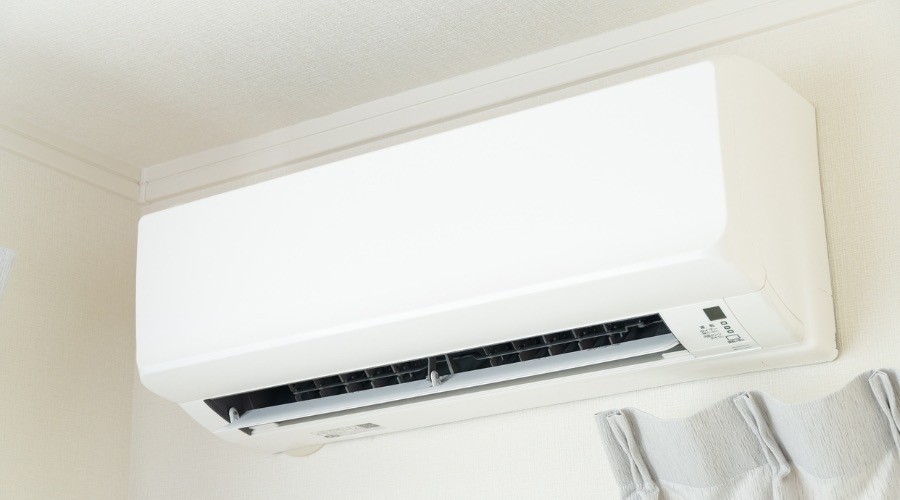
Why Install a Ductless Mini Split Air Conditioner?
Homeowners across the country are discovering that the way a home gets cooled matters just as much as the fact that it gets cooled at all. Ductless mini split air conditioners have risen in popularity because they solve problems that traditional central air systems simply cannot address as effectively. From energy savings to installation flexibility, the case for going ductless builds with every feature that sets these systems apart.
Lower Energy Bills
 Every dollar spent on cooling a home is shaped by how efficiently the system delivers that comfort, and ductless mini-splits are engineered from the ground up with efficiency in mind. Traditional central air systems rely on a network of ductwork to move conditioned air throughout a home, and those ducts are a well-documented source of energy loss through leaks, gaps, and poor insulation. Ductless mini splits sidestep this problem entirely by delivering cooled air directly into the living space without any ductwork involved in the process.
Without the energy loss that comes with ducted systems, a ductless mini split can deliver more of the cooling power it generates directly where it is needed. This direct delivery means the system does not have to work as hard or run as long to reach the desired temperature in a given space. Over the course of a cooling season, that efficiency compounds into real, measurable savings reflected on monthly utility bills.
The efficiency advantage of ductless systems also connects to how these units handle varying cooling demands throughout the day. Many ductless mini splits use inverter technology to adjust their output based on the actual conditions in the room rather than cycling on and off at full power. That consistent, calibrated operation keeps energy consumption low while maintaining steady comfort throughout the home.
Easier Installation and Flexibility
One of the most immediate advantages that comes with choosing a ductless mini split is the simplicity of the installation process compared to traditional ducted systems. Because there are no air ducts to design, route, or install throughout the home, the work required to get a ductless system up and running is far less invasive and typically much quicker to complete. A small conduit connecting the indoor and outdoor units is often all that is needed to bring the system to life.
That streamlined installation process opens the door to a level of flexibility that central air simply cannot match when it comes to the types of spaces a ductless mini split can serve. Older homes that were built before ductwork became standard present a common challenge for homeowners seeking whole-home cooling, and ductless systems are an ideal solution for retrofitting those spaces without the disruption of major construction. The same applies to homes where the existing layout leaves no practical path for running new ductwork through walls, ceilings, or crawlspaces.
Room additions represent another situation where ductless mini-splits prove their value, since extending existing ductwork to a new part of the home is often expensive and logistically difficult to accomplish. Installing a dedicated ductless unit in the new space resolves the cooling challenge without requiring any changes to the existing HVAC infrastructure. This flexibility to cool spaces that would otherwise be difficult or costly to serve makes ductless mini-splits a practical choice for a wide range of home situations.
Zoning and Customization
 Living spaces are used differently by different people, and a single thermostat setting for an entire home rarely satisfies everyone under the same roof at the same time. Ductless mini splits address this reality through zoning, which allows different indoor units placed in different rooms or areas to operate at different temperatures simultaneously. This ability to customize the climate in each zone of the home represents a meaningful shift in how comfort is managed day to day.
A bedroom that stays warmer than the rest of the house, a home office that needs consistent cooling during working hours, or a living room where preferences differ between family members are all situations that a single-temperature system handles with compromise. Ductless mini splits allow each space to be set precisely to the temperature that suits the people using it, without affecting the comfort level anywhere else in the home. That level of control transforms daily comfort from a negotiation into a genuinely personalized experience.
Beyond the comfort benefits, zoning also contributes to the efficiency of the overall system by ensuring that energy is only spent cooling the spaces that are actually occupied and in use. Rooms that are empty do not need to be cooled to the same degree as rooms where people are active, and ductless zoning makes it easy to reflect that reality in how the system operates. The result is a home that feels better, runs smarter, and costs less to keep comfortable throughout the entire cooling season.
Call Air Works Heating & Air
Air Works Heating & Air is a family-owned and operated plumbing and heating service company serving Raleigh, NC, and beyond. They offer straightforward pricing, trustworthy technicians, and a 1-year parts and labor warranty. Call them today for trusted ductless mini split AC services in Raleigh, NC.
)
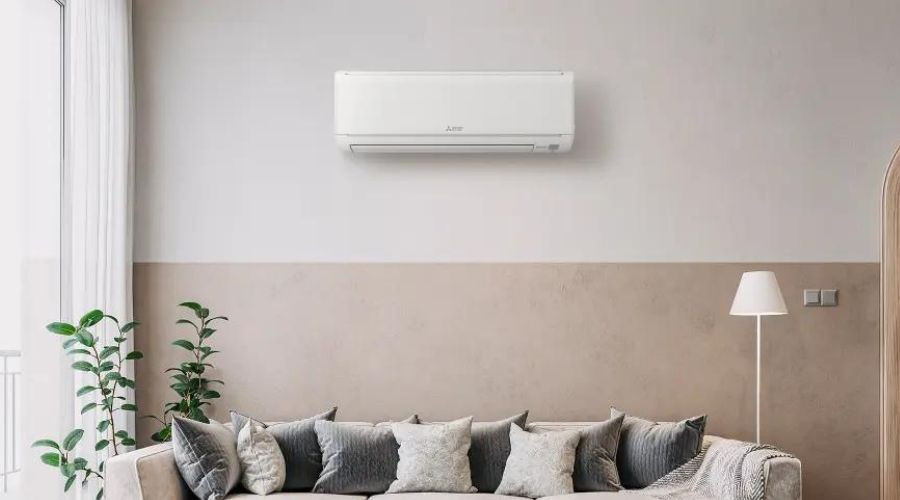
 Doing away with the ductwork removes much of the heat loss inherent in centralized HVACs. Lengthy ductwork inside the home is where most leaks come from, allowing heat to escape and significantly lowering an HVAC’s energy efficiency. Because a mini split does not have that kind of area of vulnerability, it is more energy efficient. Consequently, it consumes less energy, and we all know that greater energy efficiency translates to greater savings in monthly energy bills.
 Another appealing feature of the ductless mini-split system is how it can accommodate more than one temperature setting for different parts of the home. Centralized systems usually set one temperature for the whole house, which might not always meet the needs of each room.
)
 A
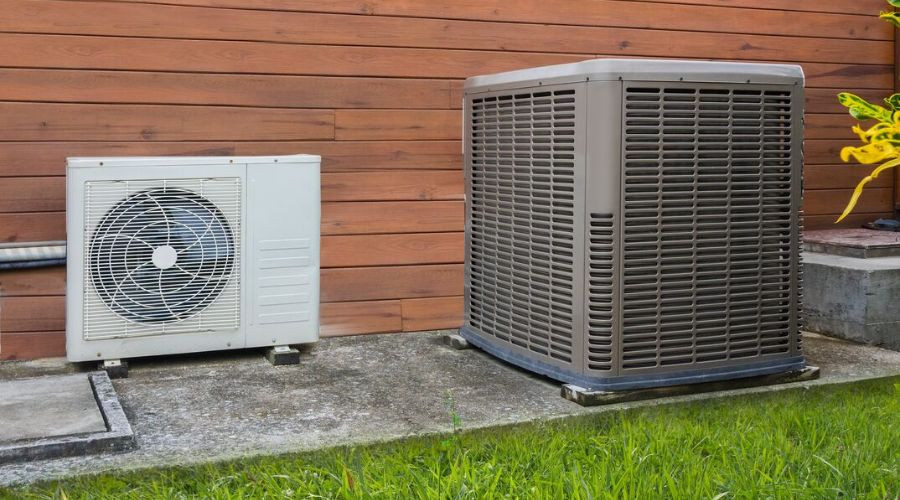
A  A ductless mini split AC system, also known as a ductless air conditioning system or a ductless heat pump, is a cooling system that does not require ductwork to distribute conditioned air. It offers a cooling solution for homes or buildings that do not have ductwork.
 )