
When To Call for Heater Repair
As winter temperatures drop, the heating system becomes more than just a convenience—it’s a necessity for comfort and safety. While modern heaters are built to last, they can develop issues that, if left unchecked, may lead to complete system failure, expensive repairs, or dangerous situations. Recognizing the early warning signs of heater problems can prevent the discomfort of a cold house and costly emergency repairs. Whether hearing unusual noises from the vents or noticing a spike in energy bills, understanding these key indicators can address potential issues before they escalate into major problems. This article explores the telltale signs that a heating system might need professional attention.
High Utility Bills
 A sudden or unexplained spike in utility bills often serves as a clear indicator that the heating system isn’t operating at peak efficiency. When heaters develop mechanical issues or component wear, they typically need to work harder and run longer to maintain desired temperatures, consuming significantly more energy in the process. This increased energy consumption directly translates to higher utility costs, even when heating habits haven’t changed.
Common issues like clogged filters, faulty thermostats, damaged heat exchangers, or deteriorating ductwork can all contribute to this inefficiency. When the system struggles to distribute heat effectively, it compensates by cycling more frequently and running for extended periods, driving up energy usage. If utility bills climb without a corresponding increase in usage or fuel costs, it’s crucial to have the heating system inspected by a qualified technician. Addressing these efficiency issues promptly not only helps reduce energy costs but also prevents more serious damage to the heating system.
Unusual Sounds or Smells
 When hearing unusual sounds and smell odors coming from the heating system, it indicates that something is not right. While all heaters make some operational noise, sudden banging, whistling, scraping, or rattling sounds often indicate mechanical issues such as loose components, failing motors, or damaged blower assemblies. These sounds can signal problems that, if left unaddressed, may lead to system failure or create safety hazards.
Strange smells, particularly burning odors, require immediate attention as they could indicate serious problems within the heating system. A burning electrical smell might suggest overheating components or wiring issues, while a musty odor could mean mold growth in the ductwork. A rotten egg smell could indicate a potentially dangerous gas leak, requiring immediate evacuation and professional intervention. When the heater produces any unusual smell beyond the brief dust-burning odor that occurs during the first startup of the season, it’s crucial to have a qualified HVAC technician inspect the system to prevent potential hazards and ensure proper operation.
Insufficient Heating
One of the most obvious signs that a heating system requires professional attention is insufficient or uneven heating throughout the home. When the heater struggles to maintain the desired temperature or fails to reach the temperature set on the thermostat, this often indicates underlying issues such as failing components, blocked ductwork, or a system losing efficiency. These problems not only compromise comfort but can also lead to increased energy consumption as the heater works harder to compensate for its reduced performance.
Cold spots in certain rooms or areas of the home are equally concerning and typically suggest distribution problems within the heating system. This could be due to damaged or leaking ductwork, malfunctioning zone controls, or a heating unit that’s no longer properly sized for the space. Ignoring these symptoms can lead to more severe system damage and higher repair costs over time, while also forcing the heating system to operate under strain, potentially shortening its lifespan. Professional diagnosis and repair are essential to restore optimal heating performance and prevent further deterioration.
About AirWorks Heating & Air
AirWorks Heating & Air is a family-owned and operated plumbing and heating service company in Wake Forest County. They offer flat-rate pricing, prompt service, and 1-year warranty on labor and parts. Call them for heating, cooling, and plumbing services in Wake Forest, NC, and throughout Wake County.
)
Distribution Links +
- https://smb.farmvilleherald.com
- https://smb.salisburypost.com
- https://smb.shelbycountyreporter.com
- https://smb.smithfieldtimes.com
- https://smb.suffolknewsherald.com
- https://smb.thewashingtondailynews.com
- https://smb.thewetumpkaherald.com
- https://smb.cordeledispatch.com
- https://smb.lagrangenews.com
- https://smb.middlesboronews.com
- https://smb.roanoke-chowannewsherald.com
- https://smb.tallasseetribune.com
- https://smb.thepostsearchlight.com
- https://smb.valleytimes-news.com
- https://smb.lowndessignal.com
- https://pr.washingtoncitypaper.com
- https://smb.theleesvilleleader.com
- https://smb.prentissheadlight.com
- https://smb.beauregardnews.com
- https://pr.hattiesburg.com
- https://pr.walnutcreekmagazine.com
- https://pr.thembnews.com
- https://pr.stylemg.com
- https://pr.bradfordvillebugle.com
- https://pr.boreal.org
- https://pr.timesofsandiego.com
- https://pr.chestercounty.com
- https://pr.wncbusiness.com
- https://pr.ashlandtownnews.com
- https://pr.millismedwaynews.com
- https://pr.norwoodtownnews.com
- https://pr.hopedaletownnews.com
- https://pr.franklintownnews.com
- https://pr.naticktownnews.com
 A
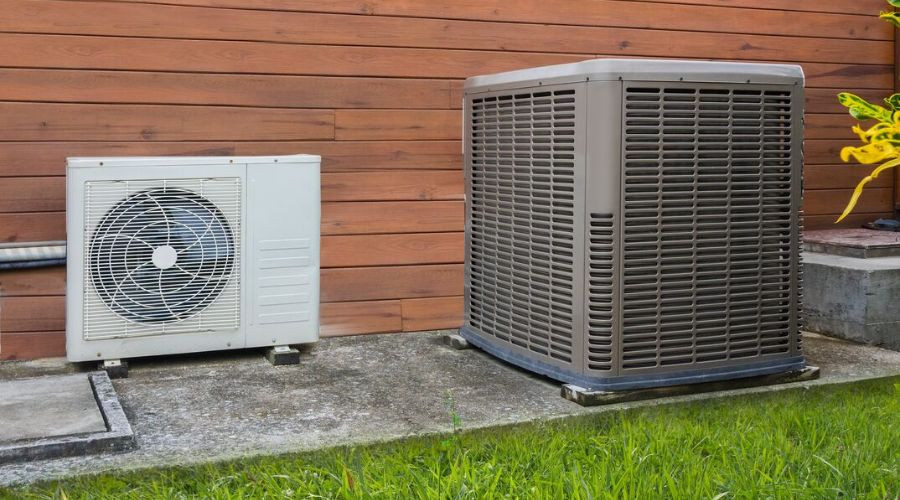
A  A ductless mini split AC system, also known as a ductless air conditioning system or a ductless heat pump, is a cooling system that does not require ductwork to distribute conditioned air. It offers a cooling solution for homes or buildings that do not have ductwork.
 )